Lately, there’s been a real surge in demand for Precise Positioning across different industries. A lot of pros rely on RTK GNSS receivers because of how accurate they are. Did you know that according to NOAA, the accuracy of GNSS tech has improved by about 50% over the past decade? That’s pretty impressive! It really highlights how crucial it is to pick the right RTK GNSS receiver for whatever you’re working on—whether it’s farming, construction, or survey work.
Dr. Jonathan Harris, who’s a top expert in GNSS tech, puts it simply but effectively: “Choosing the right RTK GNSS receiver can seriously boost your project’s success.” It just goes to show how important it is to make well-informed choices based on solid data because errors can be costly and cause delays—no one wants that.
There are quite a few RTK GNSS receivers out there, each with its own pros and cons. So, it’s essential to match your needs with what each device offers. Some work great in city environments, while others shine in open fields. Knowing these little differences can really make a difference in how accurate and efficient your work is. In the end, picking the right receiver can totally change the game, but you gotta take the time to consider your options carefully.
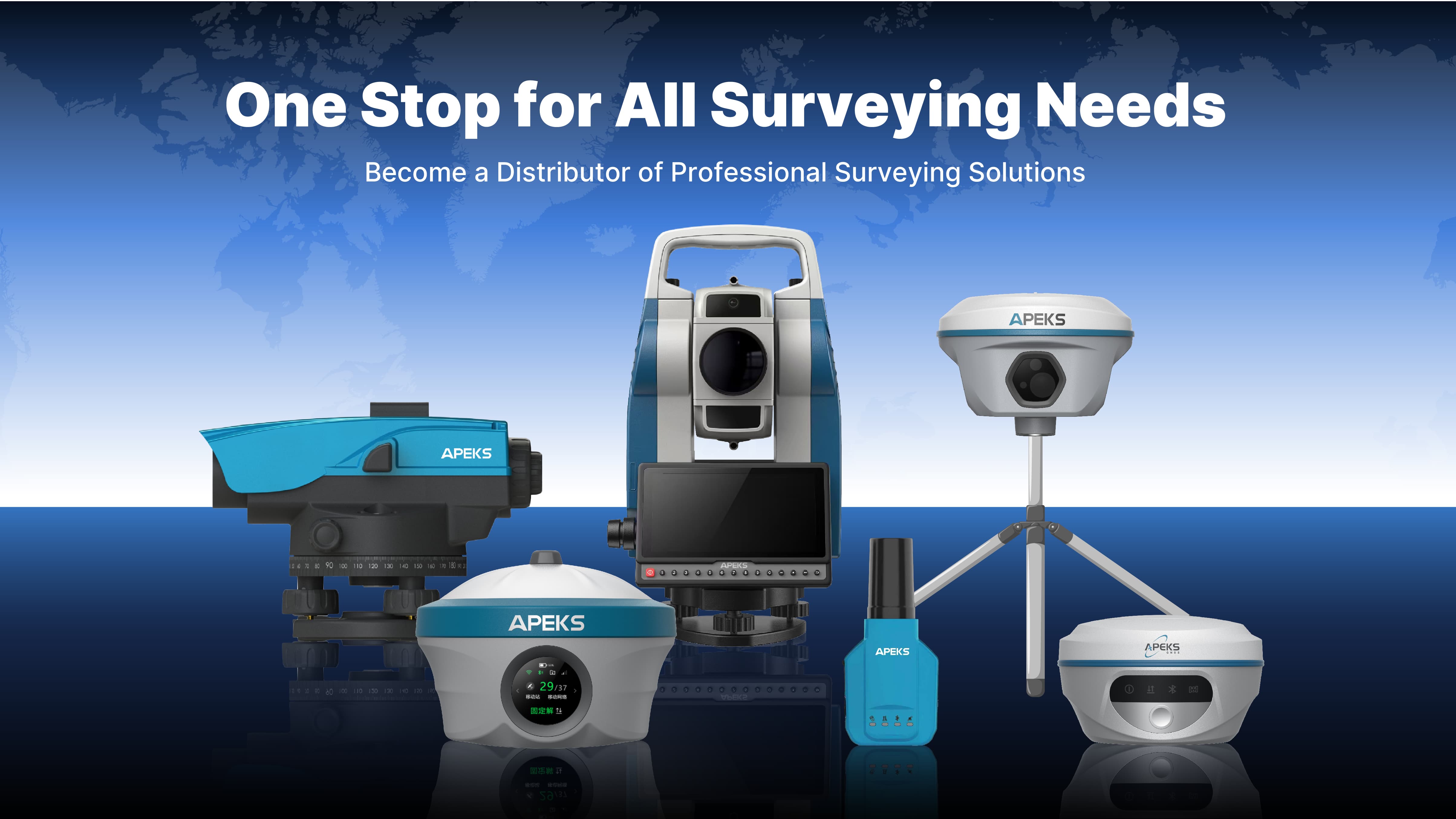
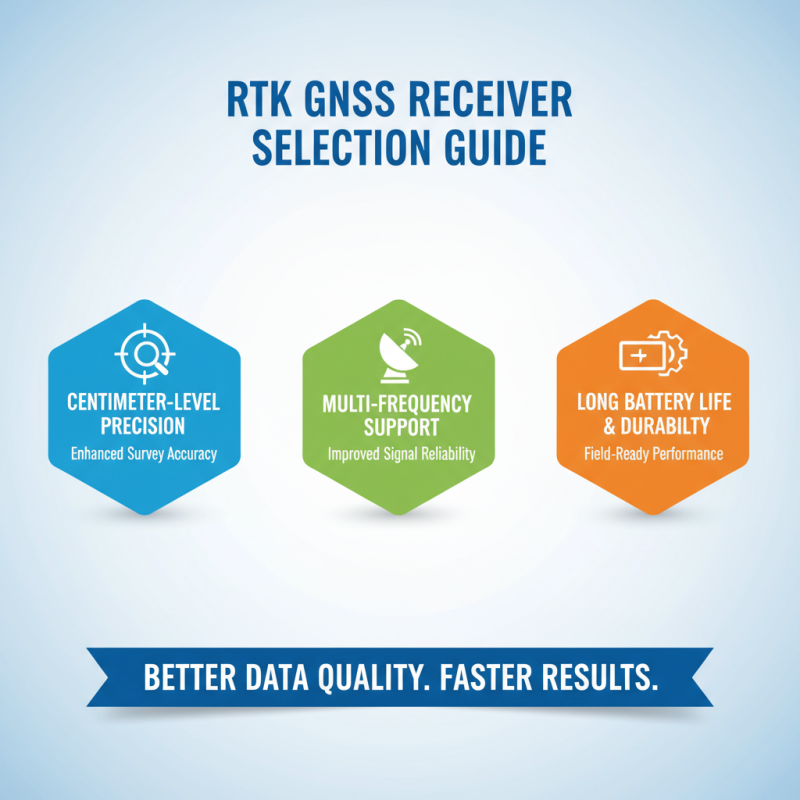
When selecting RTK GNSS receivers, there are key features to consider for optimal performance. Precision is paramount. Look for receivers offering centimeter-level accuracy. Such as AP10,AP30LASER ,AP50 VISION. According to recent industry reports, an accuracy improvement of just a few centimeters can significantly enhance surveying tasks, resulting in better data quality.
Signal stability is another crucial feature. It ensures that your receiver maintains a reliable connection with satellites. A weak signal can lead to errors in positioning. Consider receivers with multiple-frequency capabilities. They provide flexibility and enhanced accuracy, especially in challenging environments.
Tips: Regularly update firmware to maintain performance. This can reduce errors caused by outdated software. Battery life is also critical. A longer battery life means less downtime in the field. Aim for at least 10 hours of continuous use.
Another aspect to reflect on is the user interface. A complicated interface can slow down your process. Look for intuitive designs that streamline operations. Easy navigation can save time during critical surveying missions. A good receiver must balance features and usability for the best experience.
When selecting an RTK GNSS receiver, it's crucial to consider various features. Many options on the market provide different levels of accuracy and usability. Some models excel in field environments. They are designed for rugged conditions, The AP30 laser is equipped with a laser module that can measure hazardous points. ensuring durability during demanding tasks.
Field applications often require real-time corrections for maximum precision. The right Gnss Receiver Rtk can improve productivity significantly. High-end models often come with advanced antennas and tracking capabilities. Users should check compatibility with mobile networks as well. This is a key factor for achieving reliable performance.
Not every model suits everyone’s tasks. Some receivers may lack certain functionalities. Specializations can lead to trade-offs, such as size versus range. Furthermore, evaluating customer feedback is essential. Real-world experiences can reveal hidden strengths and weaknesses. Invest time in research to make an informed choice.
When to choose RTK GNSS over standard GNSS often comes down to accuracy requirements. Standard GNSS can provide location data that is sufficient for basic navigation. It works for many applications. However, it has limitations, especially in precision tasks. For example, surveying and mapping need a higher level of accuracy. In these cases, the choice becomes clear.
RTK GNSS provides centimeter-level accuracy, making it ideal for detailed work. Imagine a construction site where precise measurements are essential. A standard GNSS may lead to significant errors. On the other hand, a Gnss Rtk Receiver Board ensures that positioning is accurate. This makes it suitable for various applications, including Agriculture and Engineering. The immediate feedback that RTK offers is invaluable. Yet, it can be complex to set up and requires reliable communication links.
Users must consider their specific needs. If your work demands high precision, RTK is the way to go. It's important to weigh the costs and benefits. Not every project will justify the use of an RTK system. Understanding your requirements is key. Balancing accuracy with practicality can be a challenge, but the results often speak for themselves.
When exploring RTK GNSS receiver options, budget is a key consideration. Prices vary widely based on features, accuracy, and brand reputation. Basic models can start under $2000. However, more advanced options can reach several thousand dollars. It's important to assess what features you truly need. Investing in higher-quality receivers may save you money in the long run.
One tip is to evaluate your specific requirements. If you're primarily using the receiver for small-scale projects, a more budget-friendly option might suffice. For larger or more critical applications, consider investing in a Laser Rtk Gnss Receiver or vision RTK Gnss Receiver These devices can offer enhanced precision, which could benefit your workflow significantly. But weigh this against your budget constraints.
Remember to account for additional costs. Accessories, software, and support can add up quickly. Sometimes, the lowest initial cost leads to higher operational costs down the line. Always look for value rather than just price. It’s crucial to choose a receiver that supports your long-term goals. Doing so can help avoid the disappointment of underperformance in your projects.
When it comes to RTK GNSS receivers, user feedback highlights various experiences. Many users appreciate the enhanced accuracy these devices offer. Precision is crucial in fields like surveying and agriculture. Some users reported positional accuracy within centimeters. However, not every receiver meets expectations.
Performance varies widely across different models. Some users expressed disappointment with battery life. A few noted connectivity issues in dense environments. These factors can hinder overall performance. Yet, many have found reliable options that excel in accuracy and usability.
One particular common thread in reviews is the learning curve involved. Users often mention the time needed to understand functionalities. Some features seemed complex at first. However, with practice, they reported improvement. It’s clear that while many receivers shine, challenges remain. Each user’s requirements also differ significantly.
RTK GNSS technology is evolving rapidly. New advancements focus on improving accuracy and reliability. Emerging algorithms enhance signal processing. These developments are crucial for applications across various industries. However, challenges persist. Environmental factors can still introduce errors into measurements.
The shift towards multi-frequency GNSS systems is noteworthy. With the integration of new signals, users can achieve better precision. More satellites will provide robust coverage, even in urban areas. But users must adapt to complex technology. Training and education are essential for effective utilization.
Another trend involves machine learning applications in GNSS. Algorithms can analyze large datasets, improving corrections and reducing downtime. Yet, implementing these solutions can be daunting. Organizations should invest in both technology and expertise to stay competitive in the field. The path ahead is full of potential but requires careful navigation.
| Model | GNSS & IMU | Communication | Working Range | Features |
|---|---|---|---|---|
| AP10 | 1408 channels, Tilt IMU 120° | 4G, Wi-Fi, Bluetooth, NFC, LoRa UHF radio | Up to 15 km | Physical buttons only (no screen) |
| AP20 | 1408 channels, Tilt IMU 120° | 4G, Wi-Fi, Bluetooth, NFC, upgraded LoRa-enabled UHF, RS232 (Lemo 5pin) | 8–15 km (LoRa UHF) | 0.96" OLED color screen + dual LED buttons |
| AP30 Laser | 1408 channels, Tilt IMU 120° | 4G, Wi-Fi, Bluetooth, NFC, LoRa UHF radio | Up to 15 km | Laser surveying & AR stake-out |
| AP40 Laser+ | 1408 channels, Tilt IMU 120° | 4G, Wi-Fi, Bluetooth, NFC, upgraded LoRa UHF, RS232 (Lemo 5pin) | 8–15 km (LoRa UHF) | Long-distance laser (120 m) + AR stake-out |
| AP50 Vision | 1408 channels, Tilt IMU 120° | 4G, Wi-Fi, Bluetooth, NFC, LoRa UHF radio | Up to 15 km | Photography, AR stake-out, 3D modeling |
| AP60 Vision | 1408 channels, Tilt IMU 120° | 4G, Wi-Fi, Bluetooth, NFC, optimized LoRa UHF, RS232 (Lemo 5pin) | 8–15 km (LoRa UHF) | Visual measurement, AR stake-out, 3D modeling |
| Max5 Base | 1408 channels, Tilt IMU 120° | 4G, Wi-Fi, Bluetooth, NFC, 5W + LoRa radio | 25 km | 5W + LoRa radio |
The article "RTK GNSS Receiver Selection" delves into the key characteristics to consider when choosing an RTK GNSS receiver. It provides a comprehensive overview of mainstream brands and models, highlighting the differences between these devices. Furthermore, the article lists specific application scenarios where RTK GNSS receivers outperform standard GNSS systems, demonstrating their indispensable role in precision navigation and mapping tasks.
The article also considers budget factors, providing an in-depth analysis of the price and value assessment of RTK GNSS receivers to ensure users make informed choices. User evaluations and feedback on top-tier receivers offer practical performance insights. Finally, the article discusses future development trends and technological advancements in RTK GNSS technology and proposes improvement suggestions to continuously enhance system reliability and efficiency.